

The minority Government will unveil its first Budget today with a tax and spending package of more than €1bn.
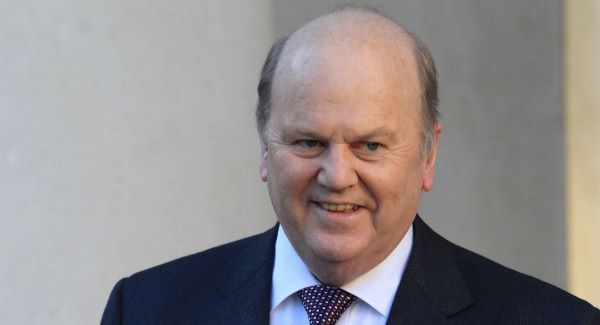
Finance Minister Michael Noonan will make history by securing support from the Opposition benches for the reforms, which working parents, pensioners and house hunters hope will leave them with more cash in their pockets.
It will be the first time in the country’s history that those in power will have negotiated with their traditional political rivals to push through their changes.
Minister Noonan played down any prospect of a last-minute row, and added that the Budget would go through “without drama”.
One stumbling block appeared to be the timing of a €5 hike to the state pension, with Fine Gael trying to push it out until the middle of next year amid calls for it to be introduced in January, or before April at the latest.
Another contentious issue was an easing to the cost of childcare, but discreet talks over the last month look to have secured agreement on a new system, which might be means tested and paid directly to crèches and nurseries.
Another talking point will be any initiative to make it easier for first-time buyers to compete for property in the face of bidding wars and restrictive lending rules.
A scheme to give them a €20,000 rebate has been mooted, while builders will be watching closely for changes in VAT and other incentives to get more houses built as the country suffers under an unprecedented housing shortage a decade since the property bubble burst.
Smokers can expect to be hurt in the pocket again, with cigarettes potentially up 30 cent a packet, making Ireland second only to Norway for the most expensive tobacco in Europe. There have also been suggestions that excise will be hiked on the cheaper brands.
Alcohol went untouched last year and, with tax on wine among the highest in Europe, drinkers will be hoping Mr Noonan takes the same approach for the next 12 months.
Duty on diesel is also expected to be increased amid growing demand for diesel cars in recent years and concerns over the health implications from the increased emissions.
A sugar tax has been on the shelf for some time and the Government may be keen to set a date for its introduction.
Overall, about €1.2bn has been set aside for tax cuts and spending increases.
Around two-thirds of this will be spent on measures to improve welfare, allowances for the most vulnerable, health, education, justice and housing.
Elsewhere, questions remain over whether the children’s allowance will increase, if the Government will adopt calls for the minimum wage to become a living wage, and how ministers will handle changes to inheritance tax thresholds.
Details are expected on other initiatives, including how Mr Noonan proposes to close tax avoidance loopholes being used by vulture funds, and what measures are being taken to Brexit-proof the economy.
Workers will be on the lookout for any changes to the deeply unpopular and burdensome income tax levy, called the Universal Social Charge, which was introduced originally to meet the cost of bailing out the banks and the state’s finances during the recession.
Last October, steps were taken to exempt about 42,500 lower-paid workers from the levy, and Mr Noonan may extend this over the coming year.
But it will be the hard-pressed middle-income couples, families and other earners who fall into the bracket of earning less than €70,000, who will be looking out for any small payback.
Mr Noonan will deliver his Budget in the Dáil at lunchtime, before Minister for Public Expenditure and Reform Paschal Donohoe outlines how the minority Government will spend its limited resources.

